Wholesale Vanilla Bean Prices: What Affects the Cost?
Learn what affects wholesale vanilla bean prices, including origin, grade, moisture content, quality, order volume, and international shipping costs.
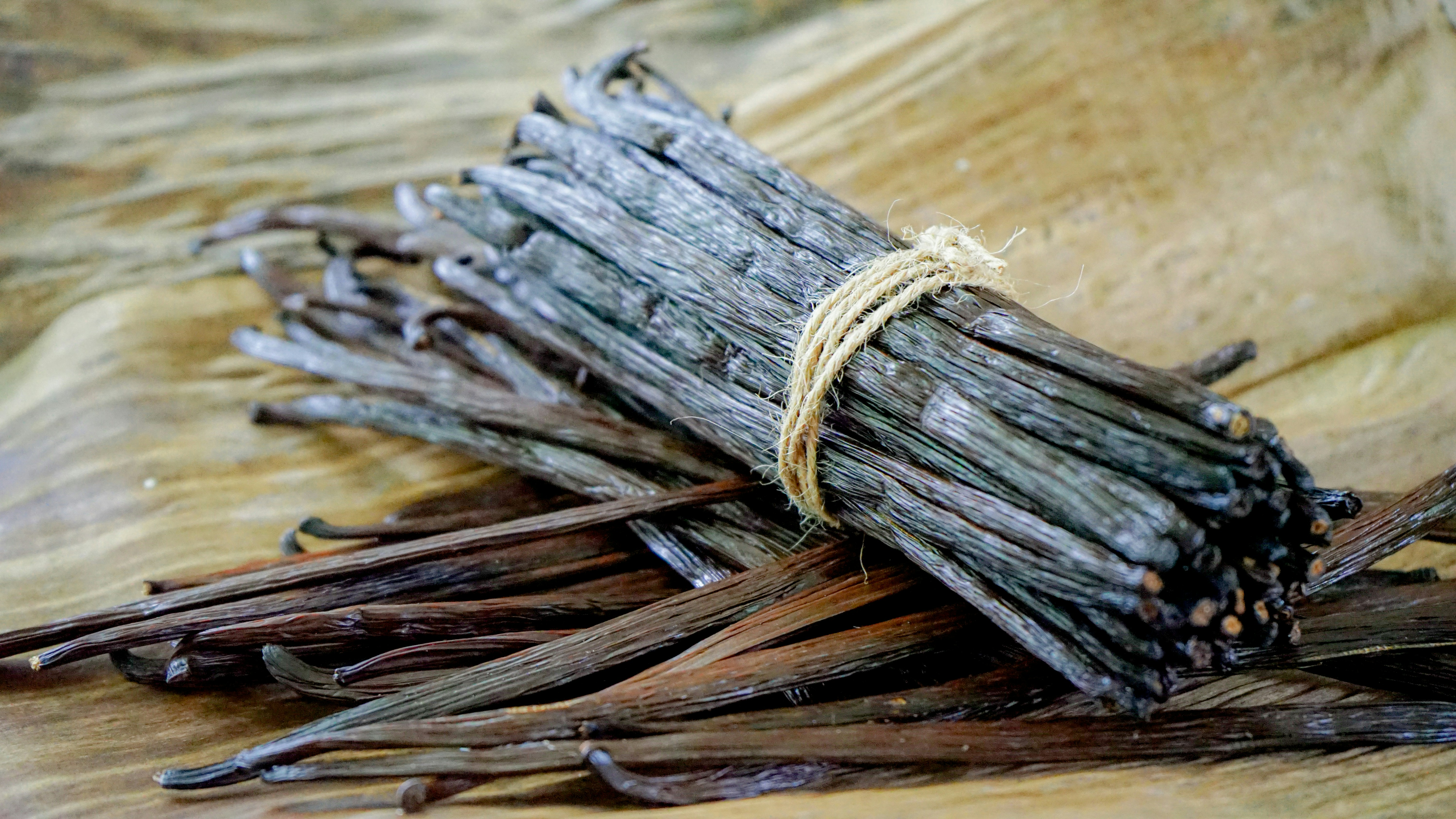
If you have been looking for vanilla beans in bulk, you may have noticed that prices can vary considerably between suppliers. Two exporters might offer the same variety of vanilla, yet their quotations can be very different. For importers, distributors, and food manufacturers, understanding what causes these price differences is an important part of making a purchasing decision.
Unlike many manufactured ingredients, vanilla is an agricultural product that requires considerable time and attention throughout cultivation, harvesting, and processing. Vanilla flowers generally need to be pollinated by hand in commercial growing regions, and the harvested pods must go through a curing process before developing the familiar aroma associated with natural vanilla. These labour-intensive steps contribute to the cost of producing vanilla beans and help explain why natural vanilla is typically more expensive than synthetic vanillin.
One of the main factors affecting wholesale vanilla bean prices is the quality of the beans themselves. Vanilla is commonly classified into Grade A and Grade B, although specifications can differ between suppliers. Grade A beans are generally softer, more flexible, and visually attractive, making them popular for gourmet applications and retail packaging. Grade B beans are usually drier and may have more variation in appearance, which makes them a practical option for extract production and other processing applications. The price difference between these grades depends on the actual quality, availability, and specifications offered.
Moisture content is another important consideration, particularly when comparing prices per kilogram. Higher-moisture vanilla beans contain more water, which affects both their texture and weight. For example, a kilogram of beans with 30% moisture contains approximately 700 grams of dry material, while a kilogram at 20% moisture contains approximately 800 grams. This difference can matter to manufacturers who are purchasing vanilla primarily for extraction. A lower price per kilogram does not always mean a lower cost per unit of usable material, especially when moisture levels differ significantly.
Bean length and appearance can also influence pricing. Longer, uniform beans are often preferred for premium retail products, restaurants, and culinary applications where presentation matters. Shorter beans or beans with cosmetic imperfections may be offered at different prices, even when they still have useful aromatic characteristics. For industrial buyers, paying a premium for perfectly shaped beans may not be necessary if the vanilla will eventually be chopped or processed. Understanding the final application can therefore help businesses select a more cost-effective grade.
The variety of vanilla is another factor that can affect wholesale quotations. Indonesia produces both Vanilla planifolia and Vanilla tahitensis, which have different aromatic characteristics. Planifolia is known for its rich, sweet, and familiar vanilla profile, while Tahitensis tends to offer more floral and fruity notes. Their prices can differ depending on market demand, availability, growing conditions, and the specifications of each batch. Neither variety is consistently more expensive in every market, so buyers should compare quotations based on the product they actually need.
Origin is also worth considering. Vanilla is produced in several countries, including Madagascar, Indonesia, Papua New Guinea, and Uganda. Each origin has its own growing conditions, supply characteristics, and commercial practices. While Madagascar is widely recognized in the international vanilla trade, Indonesian vanilla provides buyers with another sourcing option. However, buyers should avoid assuming that vanilla from one country is automatically superior or cheaper than vanilla from another. Quality can vary significantly within the same origin, and the curing process can have a substantial influence on the final product.
Supply and demand also play a major role in determining vanilla prices. Vanilla production is sensitive to weather conditions, agricultural challenges, and fluctuations in global demand. When production falls or demand increases, prices may rise. On the other hand, larger harvests or an accumulation of unsold inventory can put downward pressure on prices. The vanilla market has experienced substantial price fluctuations over the years, which is why quotations may change depending on market conditions and the timing of an order.
For international importers, the quantity purchased can influence the final price as well. Larger orders may allow suppliers to spread certain handling, sorting, and packaging costs across a greater volume. However, volume discounts are not guaranteed, particularly when buyers request specific lengths, moisture ranges, or tightly controlled quality requirements. A supplier may need additional sorting or preparation to meet those specifications, which can affect the quotation regardless of the order size.
Packaging and logistics are additional costs that buyers should consider when comparing offers. Wholesale vanilla beans may require specific packaging arrangements to help preserve their condition during transportation. Depending on the buyer's requirements, this can include sealed inner packaging, vacuum packing, cartons, and customised labelling. International freight, insurance, export handling, customs charges, and destination-country import costs may also contribute to the total amount paid.
This is why understanding the terms of a quotation is essential. A price quoted under FCA or FOB terms should not be compared directly with a delivered price without accounting for the different transportation responsibilities and costs involved. Buyers should confirm the applicable Incoterm, named location, shipment method, and included services before deciding which supplier offers the better commercial deal.
Another factor that is sometimes overlooked is consistency. For a food manufacturer using vanilla in regular production, differences between shipments can create additional work. Changes in aroma, moisture, or physical condition may require adjustments to processing or formulation. A supplier who can consistently meet agreed specifications may therefore offer greater long-term value than one who simply provides the lowest initial quotation.
Buyers should also be cautious when comparing offers described only as premium or gourmet vanilla. These descriptions can be useful, but they do not replace detailed specifications. Before purchasing, it is worth asking about the bean variety, moisture range, length, physical condition, curing quality, and any relevant laboratory testing. If vanillin content is important for the intended application, buyers should request appropriate supporting information rather than assuming that appearance alone indicates chemical quality.
For companies importing vanilla for extraction, evaluating cost efficiency requires looking beyond the price per kilogram. Moisture content, aroma, extract performance, and usable material can all influence the economics of production. Retailers and gourmet buyers, on the other hand, may place greater value on appearance, flexibility, and uniformity. In both situations, the most economical option is usually the product that meets the required specification without paying unnecessarily for characteristics that provide little benefit to the final application.
It is also important to understand that there is no single wholesale price that applies to every vanilla bean shipment. Pricing depends on a combination of factors, and even similar products may be quoted differently depending on availability and commercial terms. For this reason, buyers looking for accurate pricing should provide suppliers with as much information as possible about their requirements.
A useful wholesale inquiry should include the preferred vanilla variety, required grade, bean length, target moisture content, order quantity, destination country, and intended use. Providing these details makes it easier for suppliers to prepare a relevant quotation and reduces the possibility of misunderstandings later in the purchasing process.
For businesses considering Indonesian vanilla beans, the goal should not simply be finding the cheapest available product. A better approach is to identify a specification that offers the right balance of aroma, quality, consistency, and price. Comparing suppliers on the same basis and understanding what is included in each quotation can help importers make more informed sourcing decisions.
At IndoVanilla, a brand under ANCA Organics, we supply Indonesian Vanilla planifolia and Vanilla tahitensis for international buyers. We work with businesses looking for vanilla beans for wholesale distribution, food manufacturing, extraction, and other commercial applications.
We understand that purchasing requirements differ from one business to another. Depending on availability, we can discuss specifications such as variety, grade, bean length, moisture content, packaging, and purchasing quantity to help buyers identify suitable options.
If you are looking for wholesale Indonesian vanilla beans or would like to request a quotation for bulk orders, visit www.indonesiavanillas.com and share your requirements with us. We welcome inquiries from importers, distributors, food manufacturers, and ingredient buyers interested in sourcing vanilla directly from Indonesia.