From Farm to Export: How Indonesian Vanilla Beans Are Processed
Behind every high-quality vanilla bean is a careful process that takes time, experience, and attention to detail. Discover how Indonesian vanilla is harvested, cured, dried, and prepared for international markets.
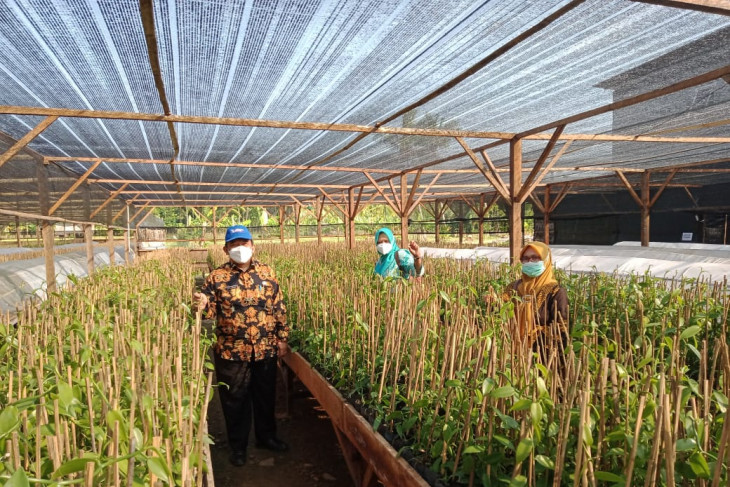
From Farm to Export: How Indonesian Vanilla Beans Are Processed
A good vanilla bean does not happen overnight. Long before it reaches a food manufacturer, wholesaler, or international buyer, it goes through several stages of cultivation, harvesting, curing, and preparation.
What makes vanilla particularly interesting is that freshly harvested vanilla pods do not have the familiar aroma most people associate with vanilla. Much of that characteristic fragrance develops during the curing process.
Indonesia has a long history of vanilla cultivation, supported by local farmers and agricultural communities across different growing regions.
For buyers interested in sourcing Indonesian vanilla, understanding how the beans are processed provides a better picture of what determines their final quality.
1. Vanilla Cultivation and Pollination
Vanilla comes from an orchid belonging to the genus Vanilla. The plant is a climbing vine that requires suitable environmental conditions to grow properly.
In Indonesia, vanilla is cultivated in several agricultural regions where tropical conditions support its growth.
The cultivation process requires patience because vanilla plants generally take several years before producing commercially harvestable pods.
Pollination is another important stage. In commercial cultivation, farmers commonly perform hand pollination to ensure that the flowers develop into vanilla pods.
Once successfully pollinated, the pods begin developing on the vine.
2. Harvesting the Vanilla Pods
Harvesting is one of the stages that can significantly influence the final product.
Vanilla pods should be harvested at the appropriate stage of maturity. Picking them too early or too late can affect the quality and characteristics of the finished beans.
Farmers generally monitor the pods based on their development and physical appearance.
After harvesting, the green pods are collected and prepared for the next stage.
At this point, the beans are still relatively firm and do not yet possess the characteristic aroma of properly cured vanilla.
3. The Curing Process: Where Vanilla Develops Its Aroma
Curing is arguably one of the most important stages in vanilla processing.
This is where green vanilla pods undergo a series of treatments that encourage the development of their characteristic aroma and flavor.
Although curing methods can vary between producers, the process generally involves several stages.
Killing
The initial treatment helps stop the natural development of the harvested pod and initiates the biochemical processes involved in curing.
Different producers may use hot water, heat, or other controlled treatments.
Sweating
The beans are placed in insulated conditions to retain warmth and encourage enzymatic activity.
During this stage, important chemical changes begin contributing to vanilla's developing aroma.
Drying
The beans are gradually dried to reduce their moisture content.
This stage requires careful control. Drying too quickly can negatively affect the beans' physical characteristics, while insufficient drying can create storage and mold-related risks.
Conditioning
After drying, the beans are stored under appropriate conditions to allow their moisture and aroma characteristics to stabilize.
This stage also helps develop a more consistent final product.
Curing is not simply about drying vanilla. It is a process that requires experience, proper handling, and attention to detail.
4. Sorting and Quality Selection
Once curing is complete, vanilla beans are prepared for sorting and grading.
Not every bean will have the same length, appearance, moisture content, or physical condition.
During sorting, processors typically evaluate several characteristics:
- Bean length and size.
- Color and overall appearance.
- Moisture content.
- Flexibility and texture.
- Presence of visible defects.
- Aroma and general condition.
The beans are then separated according to their intended commercial specifications.
Premium whole beans may be selected for gourmet applications, while other selections can be suitable for extraction, grinding, or further processing.
Proper sorting helps buyers receive products that are more consistent with their purchasing requirements.
5. Packaging and Storage Before Export
After sorting, vanilla beans need to be packed and stored properly.
Vanilla is a valuable agricultural ingredient, and improper storage can affect its quality even after successful curing.
Packaging should help protect the beans from excessive moisture changes, contamination, and unnecessary exposure to environmental conditions.
Depending on the buyer's requirements, packaging options may include vacuum-sealed bags and other suitable food-grade packaging materials.
Before shipment, suppliers should also establish the relevant product specifications and prepare the necessary export documentation.
6. What International Buyers Should Understand
For international buyers, understanding the production process is useful when evaluating suppliers.
A supplier's ability to provide attractive product samples is important, but buyers should also understand how the product was produced.
Here are a few questions worth asking before purchasing:
- Where are the vanilla beans cultivated?
- How are the beans harvested and cured?
- What moisture specifications are available?
- How are the beans sorted and graded?
- What packaging methods are used?
- Can the supplier provide a Certificate of Analysis?
- Is the same product specification available for repeat orders?
These questions help buyers evaluate not only the product but also the supplier's actual production and quality-control capabilities.
7. Why Processing Matters in the Global Vanilla Trade
Vanilla is a natural agricultural product, meaning its characteristics can vary between harvests, regions, and processing conditions.
This is why processing and quality control play such an important role in international vanilla trading.
A buyer purchasing vanilla for premium food products may prioritize appearance and flexibility. Meanwhile, an extraction manufacturer may focus more on vanillin content, moisture specifications, and overall extraction suitability.
Understanding these differences helps buyers select the right product for their business rather than simply comparing prices per kilogram.
Final Thoughts
The journey from a green vanilla pod to an export-ready product involves much more than harvesting and drying.
Every stage, from pollination and harvesting to curing, sorting, and packaging, contributes to the characteristics of the finished beans.
For international buyers, understanding this process is a practical way to make better sourcing decisions and establish stronger relationships with suppliers.
At the end of the day, consistent quality starts long before vanilla reaches the export market.
Looking for Indonesian Vanilla Products?
We work with Indonesian vanilla products for different commercial applications, including whole vanilla beans, extraction-grade beans, vanilla cuts, and vanilla powder.
For wholesale inquiries, product specifications, and sourcing discussions, feel free to get in touch with our team.